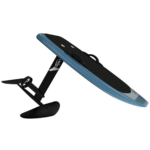
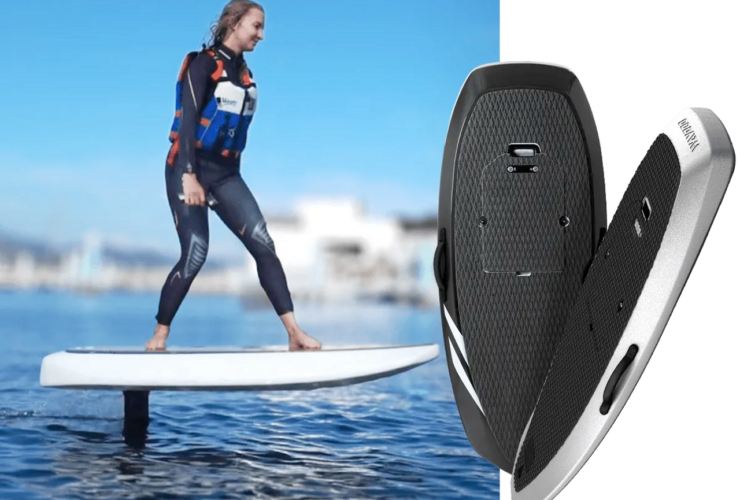
Imagine gracefully gliding over the water, leaving no wake, without the need for wind or waves. Sounds like a dream, right? Well, it’s now a reality thanks to eFoils, battery-powered devices that make it possible to ride on a hydrofoil board above the water’s surface. In this article, we will be comparing two of the most popular eFoil brands in a “fliteboard vs lift efoil” showdown, to help you decide which one is perfect for you. So buckle up and get ready for an exhilarating ride through the world of eFoils!
Short Summary
Experience the ultimate eFoil showdown between Fliteboard and Lift, with superior design & construction, thrilling performance features & safety measures!
Enjoy extended rides on carbon boards with Fliteboards two hour battery life while also taking advantage of fast charging options.
Get ready to customize and accessorize your eFoil for a unique ride tailored to you – plus top notch customer support & long lasting warranty coverage!
Efoil Showdown: Fliteboard vs Lift
When it comes to eFoils, Fliteboard and Lift stand out as the top contenders. Each brand has its unique features and strengths, so naturally, you might be wondering which one is best suited for your needs. Fret not! We have put both eFoils to the test, analyzing their design, performance, safety features, and user experience.
We’ll provide a valuable and unbiased opinion through our insights to help you make an informed decision. So let’s dive into the eFoil showdown!
Design and Construction
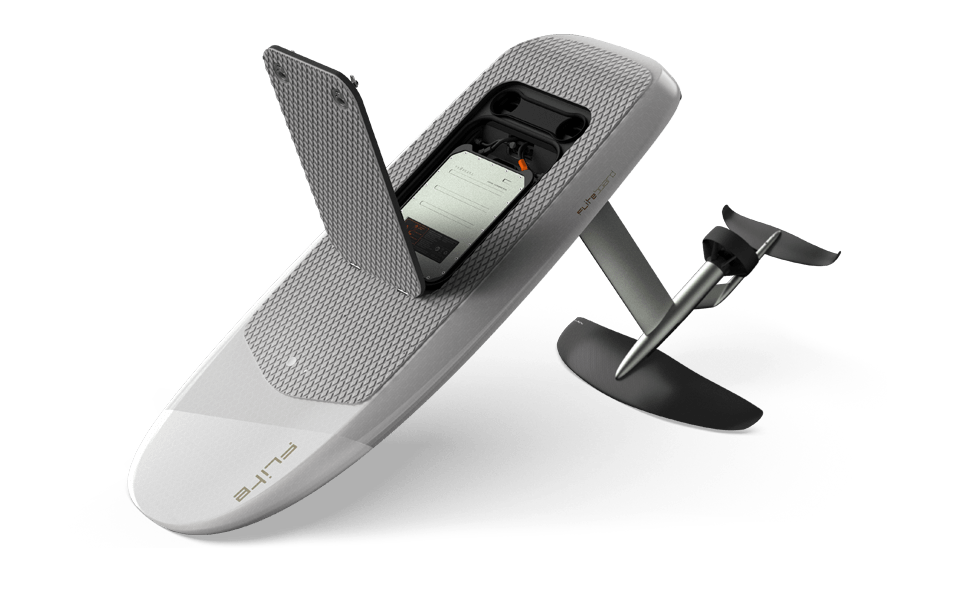
Starting with design and construction, the Fliteboard and Lift eFoils showcase distinct differences. Fliteboard takes workmanship seriously, offering unique designs like the Fliteboard AIR configuration, an inflatable board designed for charter yachts. On the other hand, Lift electrified an existing sail, which does not quite match up to the innovation of Fliteboard’s ground-up approach.
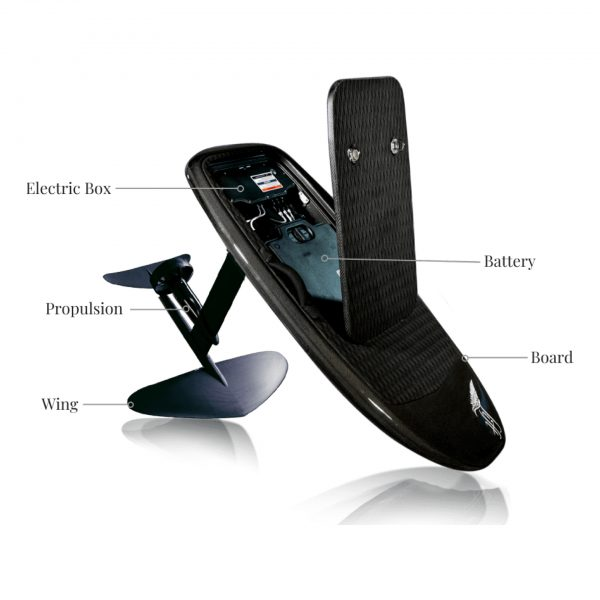
In terms of motor and mast design, Fliteboard has the upper hand with its superior motor and anodized aluminum mast, which may even incorporate digital wind tunnel technology for optimized performance. Lift Foils, while using a sleek carbon fiber mast, has a separate board computer installed in the battery compartment with multiple cables and hoses, making it more complicated than Fliteboard’s simpler design.
Performance
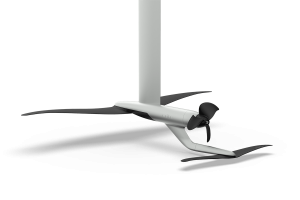
When it comes to performance, Fliteboard and Lift eFoils exhibit notable differences. Fliteboard’s motor placement at the height of the blades extends the effective mast height, providing a smoother running experience. Lift Foils has put the motor placement in an ideal location. This allows the wings to be utilized for non-motor related activities such as surfing or wingfoiling.

The learning curve for beginners is also an important aspect to consider. Fliteboard’s user-friendly setup makes it much easier for beginners to master, while Lift eFoils may require more experience with water sports before attempting a ride. Ultimately, Fliteboard’s advanced features and innovations make it the more desirable choice in terms of performance.
Safety Features
Safety is paramount when it comes to eFoils. Fliteboard has made significant strides in ensuring rider safety with three separate backup systems to protect their battery circuits, a safety circuit to control the internal temperature of the battery cells, and a visual indicator to manage leakage. While Lift Foils also has built-in safety features such as an emergency shut-off switch, low-voltage cut-off system, and temperature-controlled fan, it does not quite match up to Fliteboard’s comprehensive safety measures.

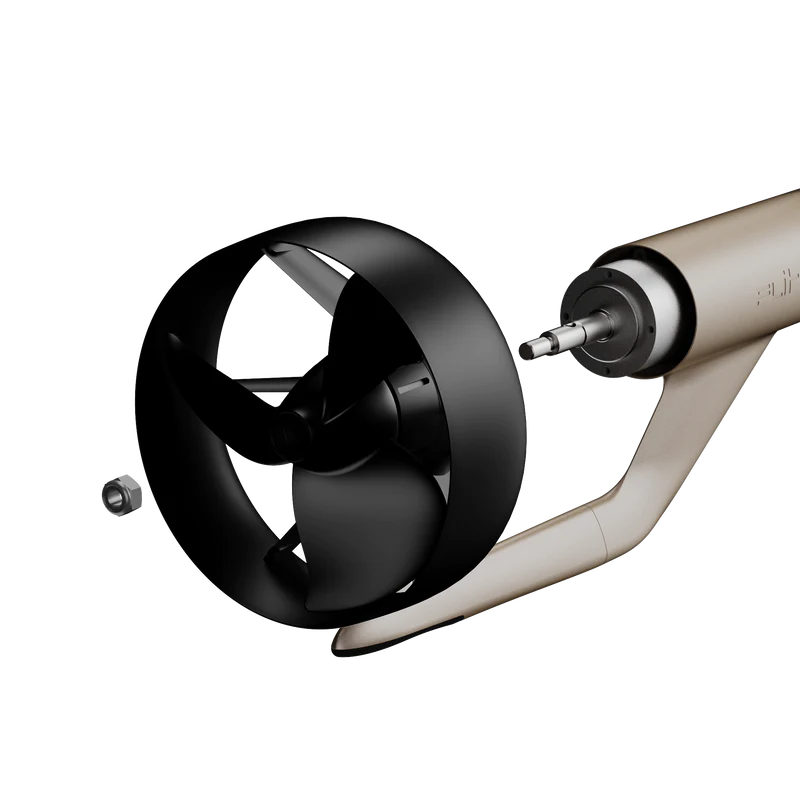
One notable concern is the difference in propeller materials used by the two brands. Lift Foils uses a high-quality aluminum propeller, while Fliteboard uses a plastic propeller that may break easily on impact with objects or even limbs. This aspect is something to consider when evaluating the safety features of each eFoil.
Fliteboard Propulsion using Flite Jet
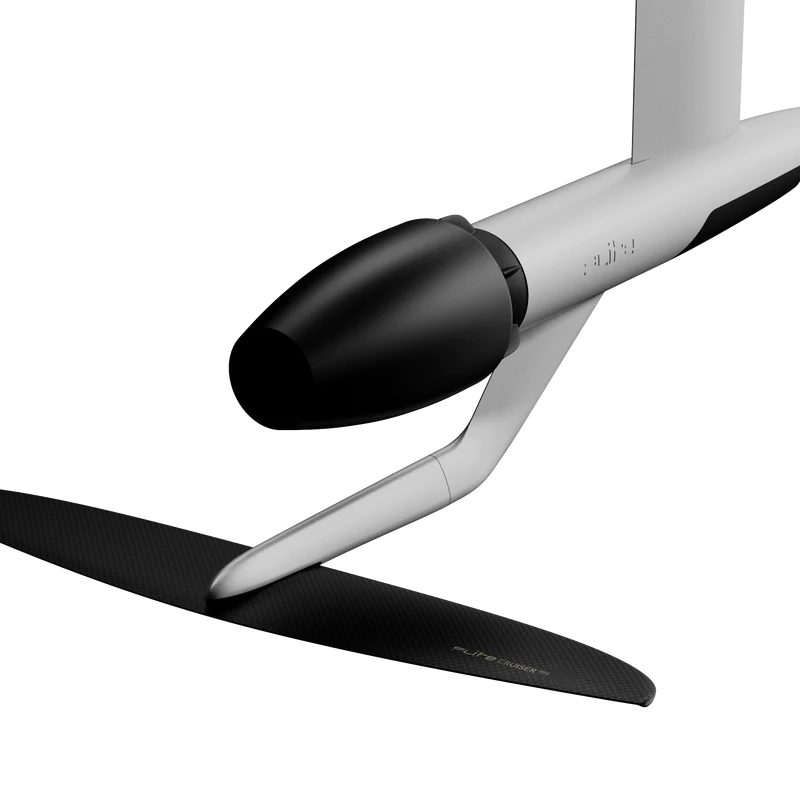
One notable safety feature that Fliteboard has developed is its jet propulsion system called Flite Jet. With the propeller arguably being the most potential dangerous part of the riding experience, Fliteboard has removed that danger completely. It should be mentioned that this feature has one significant drawback which is reduced battery life and reduced speed when compared to the more traditional Flite Propeller. However, if safety is your main concern than this is certainly a fantastic alternative for you to consider.
User Experience
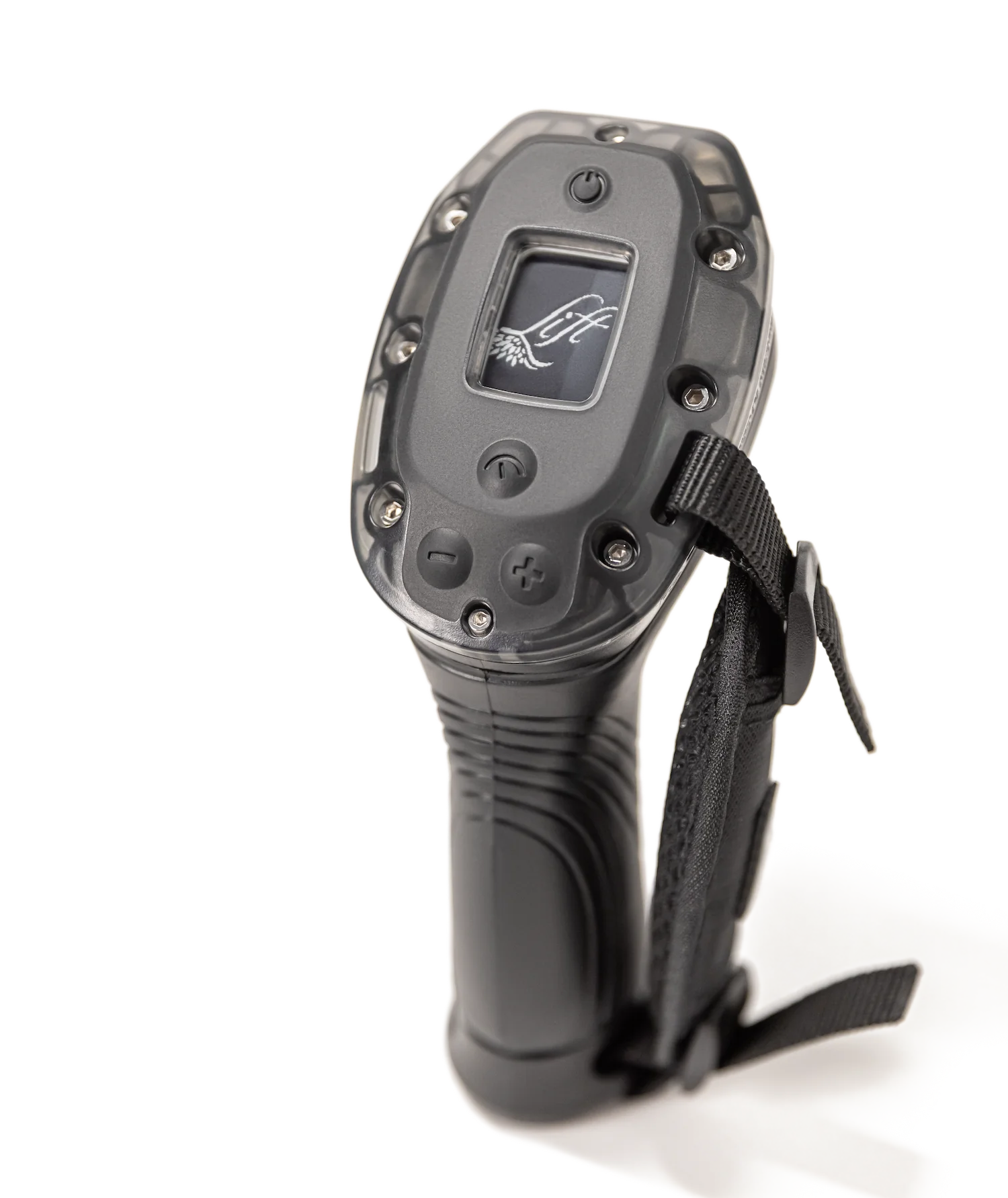
Ease of use and functionality play a significant role in the overall user experience. Fliteboard’s remote control offers twenty virtual gears that make it easier for beginners to start, while Lift eFoils’ linear response trigger design can be challenging for novices to comprehend.
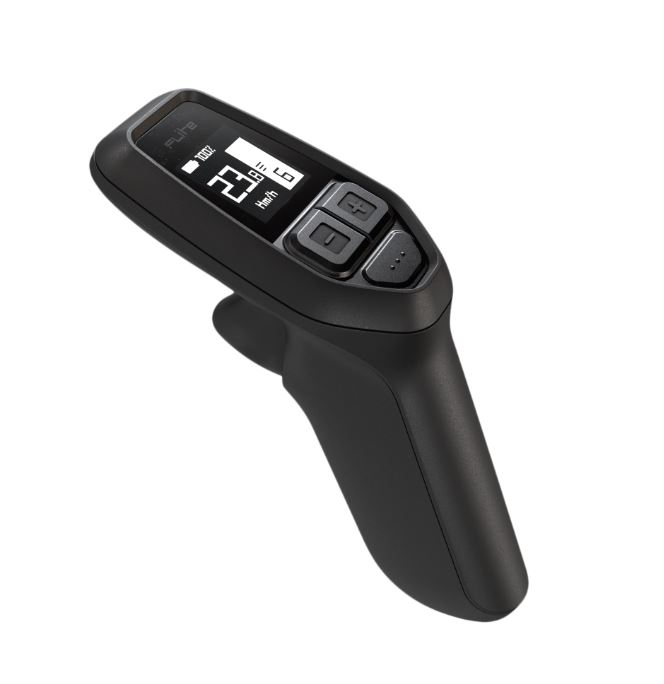
When it comes to skill level recommendations, Fliteboard caters to riders of all levels, from beginner to advanced. With its user-friendly setup and impressive safety features, Fliteboard is highly recommended for those just starting their eFoil journey. On the other hand, Lift eFoils is more suitable for intermediate to advanced riders who have experience with other water sports.
Battery Life and Charging


Battery life and charging options are crucial factors to consider when choosing an eFoil. Fliteboard boasts a battery life of up to an impressive 2.5 hours, while Lift eFoils can last up to 60 minutes 2.5hours now too. Both brands offer fast charging options, with Fliteboard’s Premium 25A charger and Lift’s Charger charging their respective batteries in under two hours.
UPDATE: The New LiftFoils LIFT4 offers a new advanced lithium-ion battery allowing up to 2.5 hours of riding time.
Additionally, Fliteboard and Lift eFoils, as battery powered devices, both have built-in battery management systems that monitor the battery’s charge level and temperature to ensure safe and efficient operation.
Battery Life
Evaluating the battery life of Fliteboard and Lift eFoils reveals that Fliteboard has a slight edge, with a battery life lasting up to two hours, compared to Lift eFoils’ 1.5-hour duration. and Lift are both on equal footing now since Lift Foils LIFT4 lineup boasts a 2.5 hour battery now as well. Factors such as rider weight, speed, and terrain can affect battery performance.
Based on these factors it a draw between Fliteboard and Liftfoils when it comes to overall ride time experience.
Charging Options
Both Fliteboard and Lift eFoils offer convenient charging options, allowing users to charge their eFoils with standard wall outlets or portable battery packs. The fast charging options for both brands ensure that batteries are charged in under two hours, minimizing downtime and maximizing time spent on the water.
The availability of charging options for the electric motor caters to the needs of riders and ensures an extremely reliable connection for a hassle-free eFoil experience.
Battery Management and Safety
Battery management and safety are critical for the safe operation of eFoils. Fliteboard and Lift eFoils both have built-in battery management systems that monitor the battery’s charge level and temperature to prevent an overheated lithium ion battery. Fliteboard goes a step further with a battery management system that includes three backup systems to protect battery circuits, a safety circuit to control the internal temperature of battery cells, and a visual indicator for leakage management.
These features provide peace of mind when riding a Fliteboard eFoil and ensure an enjoyable and safe experience.
Customization and Accessories
Customization and accessories can significantly enhance the eFoil experience. Fliteboard and Lift eFoils offer over 200 combinations of colors, masts, wing types, and batteries to personalize your eFoil. Both brands also provide a range of accessories, such as carrying cases, spare parts, and safety gear.
The ability to customize and accessorize your eFoil allows you to create a unique and personalized ride that caters to your preferences and skill level.
Board Configurations

Fliteboard and Lift eFoils offer a variety of board setup options, including the lift board, allowing riders to choose the perfect configuration for their skill level and preferences. For beginner-level riders, the Fliteboard AIR configuration is highly recommended. This inflatable board offers better stability and reduces the risk of injury to people and yachts, making it perfect for yacht charter guests.
For intermediate and advanced riders, the standard Fliteboard configuration is recommended, providing a more challenging and exciting ride. Lift eFoils also cater to different skill levels, with the Lift eFoil being more suitable for intermediate to advanced riders.
Wings and Masts
The wings and masts of Fliteboard and Lift eFoils play a significant role in performance and stability. Fliteboard offers strong, interchangeable wings designed specifically for electric hydrofoiling, with a large wingspan that allows for a relaxed glide while remaining maneuverable. Lift eFoils also provide adjustable wings made from a combination of carbon fiber and fiberglass, allowing customization of the ride for various styles and conditions.
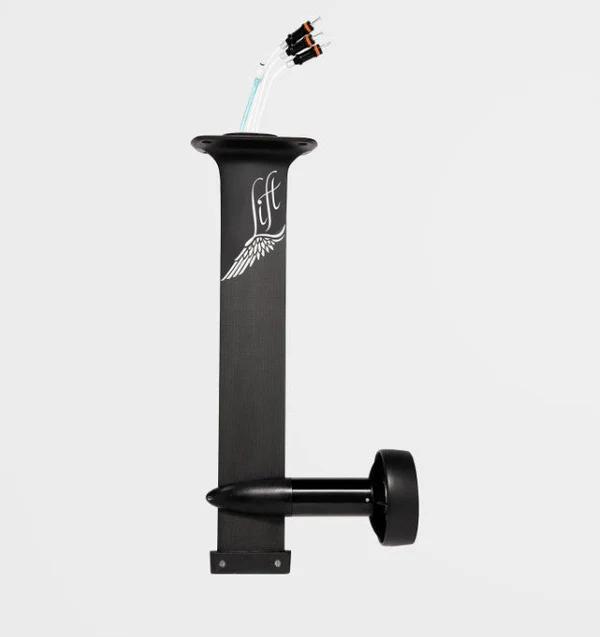
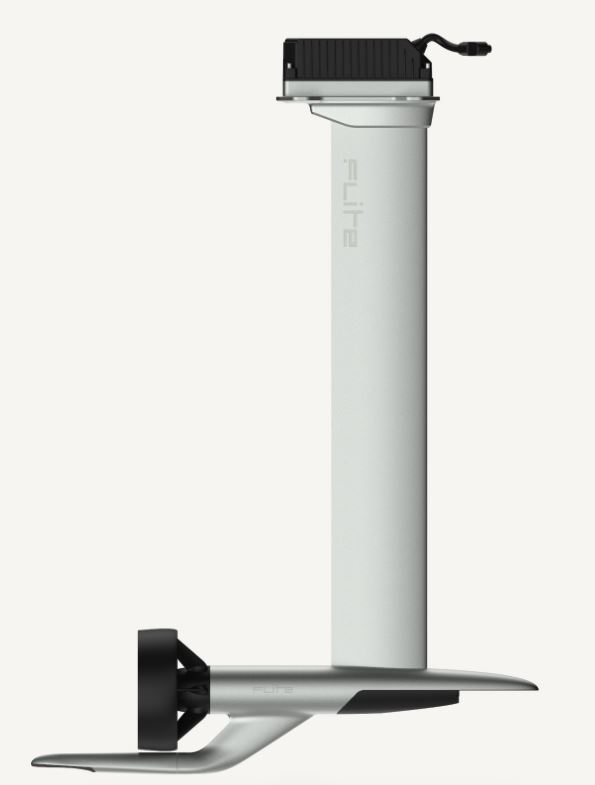
The masts of Fliteboard and Lift eFoils are designed for lightweight durability, with Fliteboard utilizing anodized aluminum and Lift eFoils using aluminum. Both brands offer adjustable masts to accommodate different riding styles and conditions, providing versatility and adaptability.
Additional Accessories
Fliteboard and Lift eFoils have a range of additional accessories available to enhance your eFoil experience. Spare parts, wireless remotes, carrying bags, and battery chargers are just a few of the accessories offered by both brands.
Protective gear, such as helmets, impact vests, waterproof accessories, wetsuits, and booties, is also available, ensuring a safe and enjoyable ride on your eFoil.
Ideal Conditions and Skill Levels
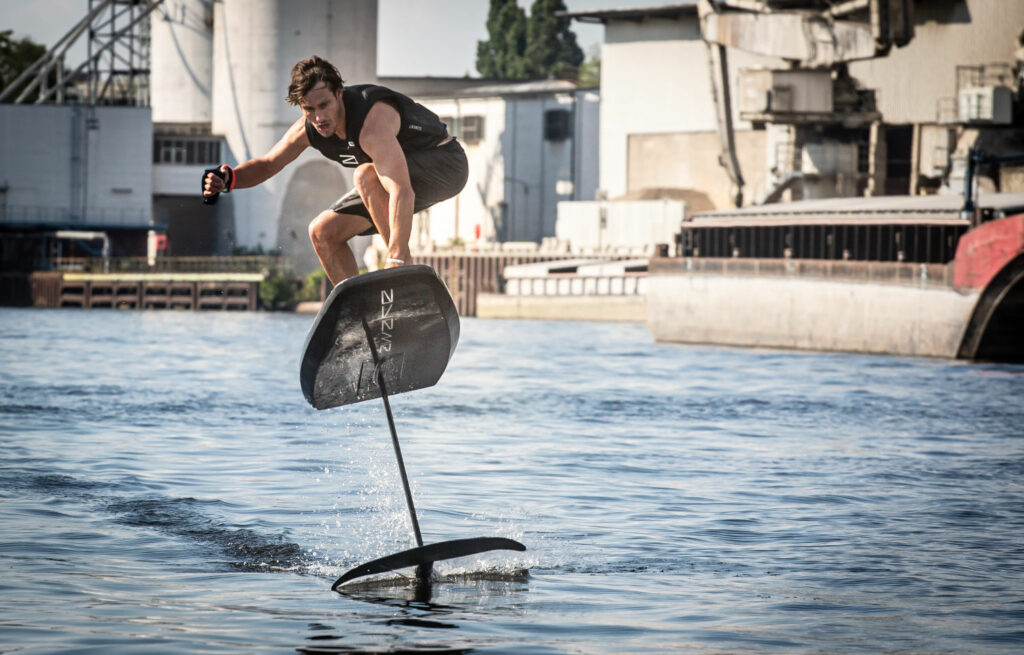
Understanding the ideal conditions and skill levels for Fliteboard and Lift eFoils is essential for a safe and enjoyable experience. Both eFoils perform best in calm, flat seas, with a water depth of at least 1.5 meters (5 feet) to avoid hitting the bottom or any debris.
Fliteboard is suitable for all skill levels, from beginner to advanced, while Lift eFoils is more suited for intermediate to advanced riders with experience in other water sports.
Riding Conditions
The optimal water conditions for Fliteboard and Lift eFoils include smooth, unobstructed water free from swimmers, buoys, and boats. Moderate constant wind (up to 3 Bf) does not significantly affect the ride, but gusts and wind have a more significant impact on larger boards.
For inexperienced riders, calm and flat seas in a peaceful bay with no chop or swell are highly recommended.
Skill Level Recommendations

Fliteboard is perfect for riders of all skill levels, with most people learning to sail in under an hour when taking a Fliteboard lesson from one of their global Fliteschools. Lift eFoils, on the other hand, is recommended for those with more experience in water sports and requires more skill to master.
Whether you’re a beginner or an experienced rider, choosing the right eFoil for your skill level is essential for a safe and enjoyable experience.
Pricing and Rental Options
In terms of pricing, Fliteboard and Lift eFoils offer various options for purchasing and renting their products. The purchase cost for Fliteboard starts at $12,935 plus tax and shipping, while Lift eFoils’ pricing varies depending on the model and configuration.
Rental rates for both brands are around 400 EUR per day, including accessories. By comparing the purchase costs and rental rates, you can determine which eFoil best suits your budget and needs.
Purchase Costs
When considering purchasing Fliteboard and Lift eFoils, it’s essential to analyze the costs, including board configurations, wings, masts, and accessories. The purchase cost of Fliteboard efoil is $12,935 plus tax and shipping, with options such as the Fliteboard Pro and Fliteboard Sport.
Lift eFoils’ pricing varies depending on the model and configuration. Additional accessories for both brands include wireless remotes, carrying bags, battery chargers, and protective gear. By comparing the costs associated with Fliteboard and Lift eFoils, you can make an informed decision on which eFoil is the best investment for you.
Rental Rates
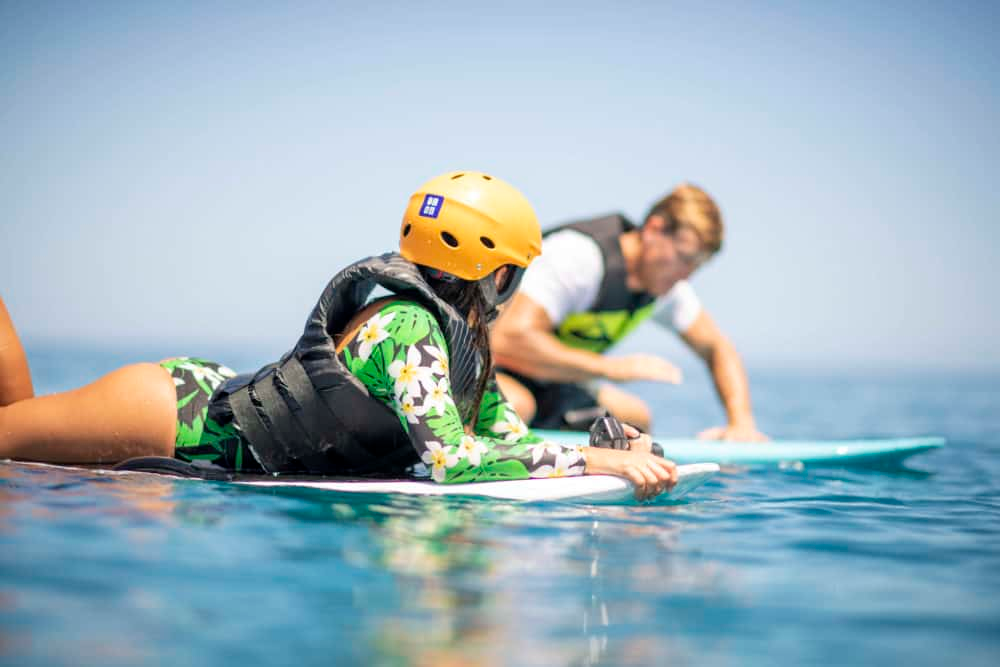
Rental rates for Fliteboard and Lift eFoils vary depending on location and provider. In some locations, the rate can be as high as $250 per hour for Fliteboard and $200 per hour for Lift eFoils. However, prices and availability may differ in other locations.
It is highly recommended to contact your nearest Fliteschool or water sports rental company for specific rates and offerings.
Customer Support and Warranty
Customer support and warranty coverage are crucial factors when investing in an eFoil. Fliteboard and Lift eFoils both offer exceptional customer support and warranty coverage. Fliteboard provides customer support through various channels, including phone, email, and WhatsApp, and offers a one-year limited warranty on all of its products.
Lift eFoils also offers excellent customer support through their website, email, and phone, with a two-year limited warranty on their products.
Customer Support
Fliteboard is committed to providing exceptional customer support through various channels, including submitting a request, contacting them via phone or email, and using WhatsApp. They even have product support guides and a FAQ section on their website.
Lift eFoils also offers great customer support through their website, email, and phone, with product guides and troubleshooting information available on their support page. Both brands’ dedication to customer support ensures that riders can enjoy their eFoils with confidence.
Warranty Coverage
In terms of warranty coverage, Fliteboard offers a one-year limited warranty on all of its products, while Lift eFoils provides a two-year limited warranty. The scope of coverage differs, with Fliteboard’s warranty covering defects in materials and workmanship, and Lift eFoils’ warranty covering defects in materials, workmanship, and performance.
By comparing the warranty coverage offered by both brands, you can make an informed decision on which eFoil provides the best protection for your investment.
Summary
In conclusion, both Fliteboard and Lift eFoils offer unique and exciting experiences for riders of various skill levels. Fliteboard stands out in terms of design, performance, safety features, and user experience, making it the more attractive choice for most riders. However, Lift eFoils may appeal to intermediate and advanced riders seeking a more challenging ride. Ultimately, the choice between Fliteboard and Lift eFoils depends on your personal preferences, skill level, and budget. Whichever eFoil you choose, prepare for an exhilarating ride that will transform your water sports adventures.
Frequently Asked Questions
Is Fliteboard worth it?
The Fliteboard 3 is undoubtedly a top spot as an all-rounder eFoil with its smooth ride and silent performance, making it definitely worth it!
What is the difference between lift foil and flite board?
Fliteboard is designed and built from the ground up using sophisticated parametric models and digital wind-tunnel technology, whereas Lift Foils adds an electric motor to an existing foiling board.
For safety, Flite also has a titanium case for its battery, making it the superior choice between Fliteboard and Lift Foils.
What is the equivalent to Fliteboard?
Experience the adrenaline rush with Carver X – a thrilling equivalent to Fliteboard eFoil!
How long can you ride a Fliteboard?
The Fliteboard, designed for users of up to 90kg weight, can provide a hydrofoil ride up to 1 hour and 30 minutes or over 30km range with the Explore Flitecell battery.
This electric hydrofoil board is capable of reaching speeds of up to 25 knots, and can be used in both fresh and salt water. It is also designed to be easy to transport and store, with a foldable design and a weight of just 15kg.
The Flite.
Which eFoil is more beginner-friendly?
Fliteboard is the clear choice for beginner eFoilers, offering an intuitive setup and comprehensive safety features.
Likes:71